
Vegan Kyoto: neighbourhoods to explore on foot
A relaxed route through temples, plant-based breakfasts and small shops where you can ask: ‘kore wa vegan desu ka?’
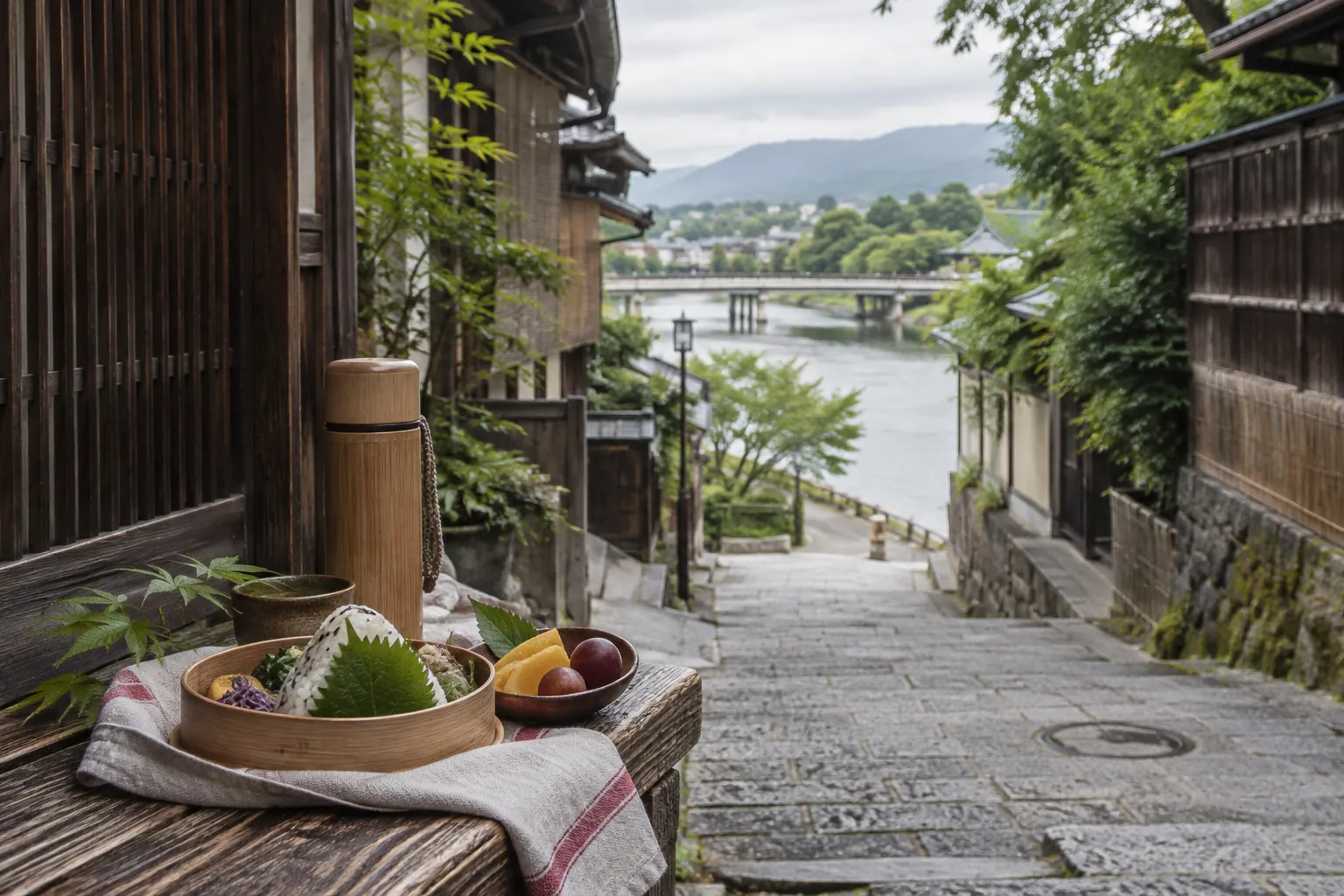
Kyoto is easier to enjoy when you choose one area and give it a whole morning. This vegan walking guide starts at Demachiyanagi and follows the Kamo River towards the centre, with detours for plant-based travellers. The aim is not to collect addresses, but to alternate a cultural stop, time for food and enough breathing room to notice the neighbourhood around you.
The first rule is to reserve only what genuinely needs a reservation. Shojin ryori restaurants, temple experiences and small venues may have fixed sittings, while a café or bakery can remain a flexible option. Before setting off, save two possibilities in the same area and check the venue's official opening hours. Guidebook information changes, especially around public holidays and seasonal breaks.
Demachiyanagi is a useful starting point because you can walk towards the Kamo-gawa without beginning the day by rushing between stations. Bring a simple breakfast if your train arrives early, then look for a place clearly identifying vegan or plant-based choices. Markets and local shops often have tofu, vegetables, onigiri and sweets, but apparently plant-based food may still contain fish stock, honey or gelatine.
A useful question is ‘dashi wa katsuo desu ka?’: is the stock made with bonito? For greater clarity, explain ‘watashi wa vegan desu’ and ask whether the dish contains meat, fish, eggs or dairy. Keeping the questions on your phone is perfectly reasonable and reduces misunderstandings in a busy restaurant. If staff cannot give a clear answer, choose a venue with more transparent information.
Towards Gion and central Kyoto, traditional Japanese cooking sits alongside international food. The Nippon Vegan Guide directory distinguishes fully vegan venues from those with vegan options. Treat the filters as a starting point, not a substitute for checking. A restaurant may have changed chef, menu or premises: noting when the information was checked, and making a short call, are part of planning the walk.
For a special lunch, look into shojin ryori around Arashiyama or at a temple that welcomes visitors. Menus consider season, texture and colour, and often avoid onions or garlic. Interpretations differ, so always ask whether the complete meal is vegan and whether the stock is plant-based. Book ahead, and communicate allergies separately from your ethical dietary preferences so the kitchen understands both.
Arashiyama needs time. The bamboo grove and temples can be more pleasant in the morning before the busiest periods. If you have booked lunch, calculate the journey without squeezing in too many photography stops beforehand. A successful vegan itinerary does not require ten restaurants: it may be a walk, one carefully prepared meal and a sweet bought for the journey home.
For the evening, keep a backup near a station. Some Kyoto neighbourhoods become quiet early, and restaurant closing days are not always obvious. Check whether walk-ins are accepted, whether the menu is only in Japanese and whether allergens are marked. If a restaurant cannot confirm a suitable dish, thank the staff and change your plan. Courtesy usually helps more than arguing over the definition of vegan.
Use this guide before your trip, not only when you are already hungry in the rain. Make a small map with an option for breakfast, lunch and dinner, plus a convenience store as a fallback. That preparation lets you follow Kyoto's rhythm, have conversations without rushing and leave room for an unexpected discovery without abandoning the possibility of a good plant-based meal.
For a more practical route, also note the nearest station, closing day and the sentence you will use to explain allergies. A few reliable details are worth more than an endless restaurant list. Before publishing or sharing a recommendation, check its verification date and explain whether it offers a complete vegan menu or only certain dishes. Those distinctions help the next traveller make a genuinely informed choice.
The right question opens more doors than a perfect list.
Start here, then leave room for the unexpected. A plant-based journey can reveal just how many different ways there are to enjoy everyday life.