
Vegan cooking class in Tokyo: choosing and booking a shojin lesson
An existing class in Asakusa and what to ask before booking: plant-based menus, hands-on activities, allergens and planning your day.
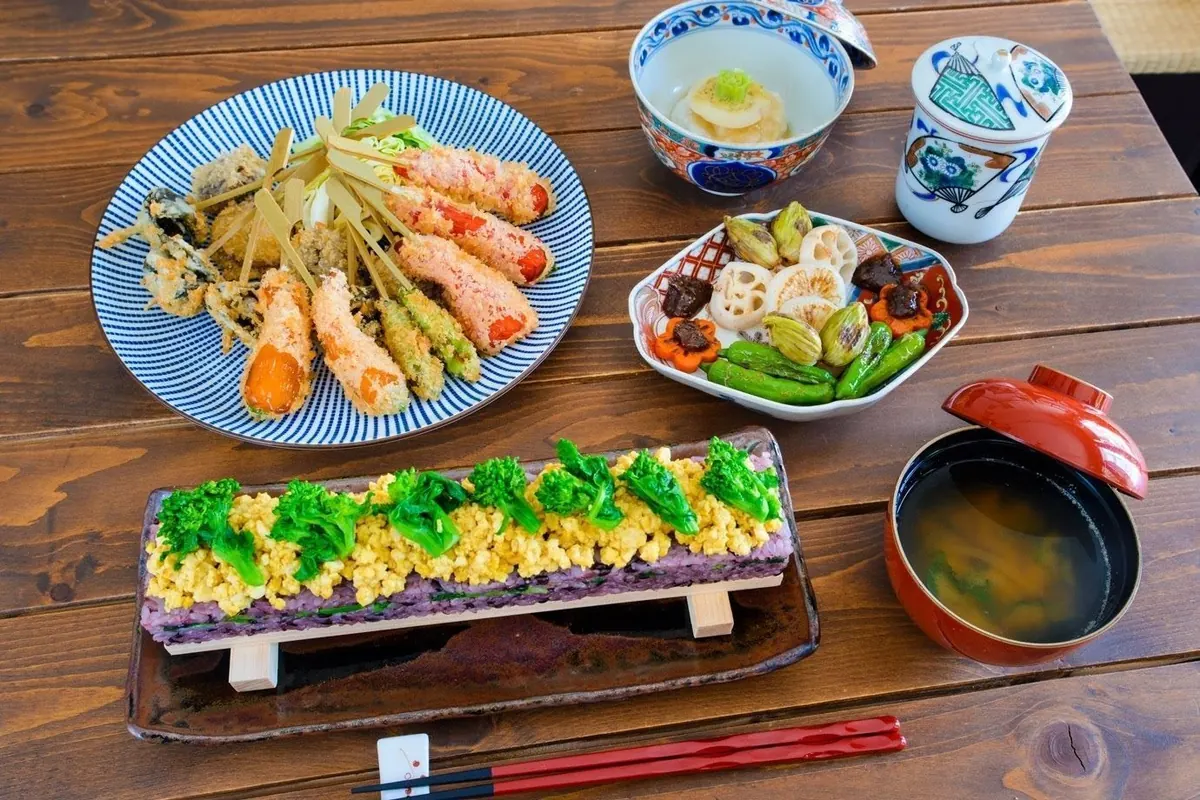
When choosing a vegan cooking class in Tokyo, start with three written confirmations: a fully plant-based menu, the activities you will actually do, and availability on your chosen date. An attractive photograph or the word vegetarian in a title does not answer all these questions. This guide helps you turn an interesting listing into a booking that fits your trip, using an existing course as a starting point.
This is not a report of a lesson attended by our editorial team, and it does not rate the teacher. It is a practical way to compare published information, make precise requests and decide what still needs asking. The planning suggestions below are our editorial criteria, not services promised by a school. The aim is straightforward: to return home with skills you can use again in your own kitchen.
An existing class to start with
CHAGOHAN TOKYO lists a private shojin cooking class with matcha in Asakusa, described as vegan and vegetarian friendly. Its page gives a three-hour duration and a booking request that requires confirmation. The official link below lets you check the programme, prices and conditions directly. A published listing does not establish availability on your date: wait for the school’s reply.
Agree on the vegan menu beforehand
Explain that you want a completely vegan meal and ask for an answer about the menu for your particular lesson. You can list meat, fish, eggs, dairy and honey, adding stocks and seasonings. Avoid vague requests such as eating lightly or preferring vegetables: they do not communicate your dietary choice. Keep the message alongside your confirmation so that, on arrival, you can refer to what was agreed without starting the conversation again in front of other participants.
JNTO’s guide highlights the importance of checking hidden ingredients, including dashi stock. Turn that attention into a learning opportunity: ask which ingredients give a plant-based broth its flavour and how to recognise them when shopping. Communicate any allergies separately, identify the relevant substance and ask whether the operator can accommodate your request. Choosing a vegan menu does not automatically resolve questions about allergens or shared preparation surfaces.
What do you want to learn?
Before comparing prices, choose two skills you would like to learn. These could be cooking rice correctly and balancing a seasoning, or preparing vegetables with different textures and coordinating several dishes. Ask which steps you will perform yourself and which you will watch. If hands-on practice matters to you, this distinction is more useful than counting photographed dishes. A long menu can be interesting, but it does not tell you how much time you will have to practise.
Think about the kitchen you will return to as well. Do you have scales, suitable pans and access to the ingredients being used? Note substitutions to discuss during the lesson: an unavailable ingredient can make even a simple preparation difficult to repeat. Ask whether you can take notes and which materials are included. If the school supplies recipes, check their usage conditions before sharing them online; describing your own experience does not require reproducing teaching materials.
Planning your booking and your day
To assess the cost, establish whether the quotation is for the group or each person, which participants it covers and which extras are excluded. Then compare the total with your whole-day budget, including transport. Do not turn an amount in an old review into an assumed current price. Save the quotation for your date, group composition and requested menu instead. If any of those details change, request an updated quotation before making further plans.
Place the lesson on a day with some breathing room. A cooking activity is more enjoyable when you are not constantly watching the clock for a distant train connection. Check the meeting point on your confirmation, look up the route and allow time to find your bearings outside the station. Leave room afterwards for a walk or a nearby visit. A tourist neighbourhood does not make every transfer instant: use the actual addresses and times in your itinerary.
Before paying, reread the cancellation and date-change terms, teaching language and contact arrangements. If you are travelling with children or someone with accessibility requirements, describe the situation and obtain a concrete answer before purchasing. A useful question is whether participants work sitting or standing and for how long, without assuming the answer. Keep the address, operator’s contact details, menu confirmation and booking reference together in one accessible note.
Practical questions before paying
Do you need experience? Explain what you can already do and ask what skills the chosen class requires. Saying that you have never prepared Japanese rice is more useful than simply calling yourself a beginner. If your main purpose is to understand ingredients and culture, say so: your learning goal helps you assess the offer. Do not infer the level solely from a photograph of an elaborate dish or the overall duration of the experience.
Is a private or shared lesson better? That depends on your priorities and the actual conditions offered. A private request may interest a group with requirements to discuss together; a shared option may appeal to someone who also wants to meet other travellers. Compare the total cost, opportunities to ask questions and the work assigned to each participant. Neither format automatically guarantees personalisation or an allergen-dedicated kitchen, so discuss the details that matter to you.
How can you use the lesson after your trip? Choose a preparation you can repeat within a few days of returning and note the steps that surprised you. Trying a technique again while it is still fresh helps you identify unanswered questions. Meanwhile, explore our recipes, Where to eat directory and Journal using the links below this article. Use them to plan a day that connects the food you enjoy with the skills you want to learn.
Sources, photograph and last check
Editorial check: 17 September 2026. The official sources consulted are listed below. The cover is a photograph published by CHAGOHAN TOKYO on its shojin class page; it illustrates the offer and does not guarantee identical dishes in your lesson. Reconfirm the date, final menu, price, language and handling of personal requests before paying. Links in this article are informational, with no affiliate codes added.